

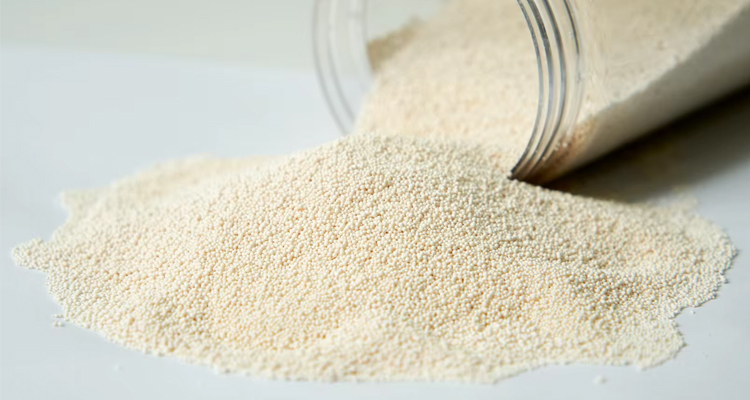
Ion exchange resin is a synthetic material composed of a polymer matrix with active functional groups. These functional groups can exchange ions with the surrounding solution. This property makes ion exchange resins invaluable in various industrial water treatment processes.
Common Applications:
Removal of Calcium and Magnesium: Ion exchange resins are used to remove calcium and magnesium ions, which cause water hardness. This is crucial in industries like textile manufacturing, food processing, and boiler operation, where hard water can lead to scale formation and equipment damage.
Sodium or Potassium Regeneration: The resin is regenerated by passing a concentrated solution of sodium chloride or potassium chloride through it, replacing the adsorbed calcium and magnesium ions with sodium or potassium ions.
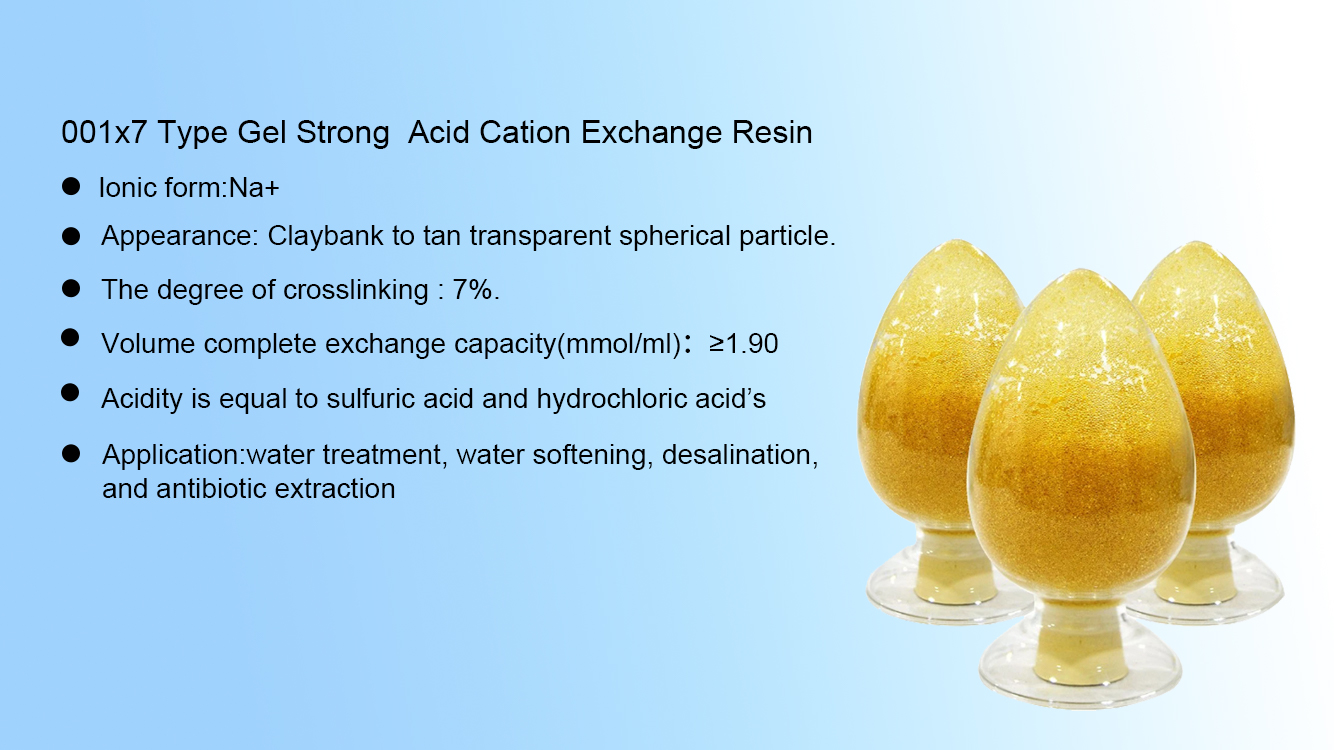
Deionization (DI):
Removal of Cations and Anions: Deionization processes use both cation and anion exchange resins to remove both positively charged cations (like sodium, potassium, and calcium) and negatively charged anions (like chloride, sulfate, and nitrate) from water. This is essential for industries that require ultrapure water, such as semiconductor manufacturing, pharmaceutical production, and laboratory applications.
Demineralization:
Removal of Minerals: Demineralization is similar to deionization but often involves a mixed bed configuration where cation and anion exchange resins are combined in a single vessel. This process is used to remove all mineral ions from water, producing water that is virtually free of dissolved solids.
Metal Recovery:
Selective Adsorption: Ion exchange resins can be specifically designed to selectively adsorb certain metal ions from wastewater or process solutions. This is used in industries like mining, metal finishing, and electronics manufacturing to recover valuable metals or remove contaminants.
Pharmaceutical and Biotechnology Applications:
Purification of Products: Ion exchange resins are used to purify pharmaceutical products, enzymes, and other biomolecules. They can selectively adsorb these substances from a mixture, allowing for their isolation and concentration.
Advantages of Ion Exchange Resins:
High Efficiency: Ion exchange resins can achieve very high levels of ion removal.
Versatility: They can be used for a wide range of applications, from water softening to metal recovery.
Regenerability: The resins can be regenerated, making them a cost-effective solution.
Selectivity: Specific resins can be designed to selectively adsorb certain ions.
By understanding the principles and applications of ion exchange resins, industries can effectively treat water to meet their specific quality requirements and improve their overall operations.