

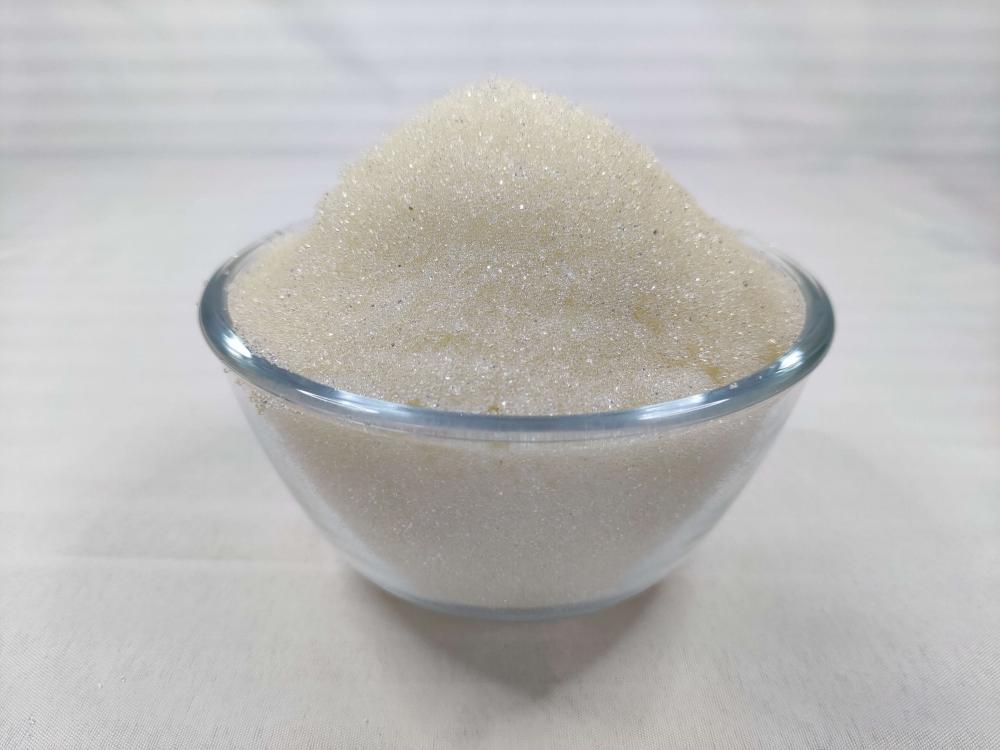
Water treatment resin, also known as ion exchange resin, is a versatile material used in various stages of water purification. It's typically composed of small, bead-like particles made from organic polymer with charged functional groups. These charged groups attract and capture dissolved ions (charged particles) from water, essentially swapping them for harmless ions attached to the resin itself.
There are two main types of water treatment resin based on the ions they target:
- Cation exchange resin: Attracts and removes positively charged ions, primarily calcium and magnesium, leading to softer water. This type is commonly used in water softeners.
- Anion exchange resin: Attracts and removes negatively charged ions like chloride and sulfate. This type is often used in combination with cation resin for demineralization, producing very pure water.
Here are some of the key applications of water treatment resin:
- Water softening: Removing hardness-causing minerals from tap water, improving its taste, feel, and suitability for appliances.
- Demineralization: Producing ultra-pure water for applications like electronics manufacturing, power generation, and pharmaceutical production.
- Removal of specific contaminants: Targeting specific impurities like nitrates, arsenic, or heavy metals using specialized resins.
- Wastewater treatment: Purifying wastewater for reuse or safe disposal.
The advantages of using water treatment resin include:
- High efficiency: Can remove a large amount of contaminants with minimal water loss.
- Selectivity: Specific resins can target individual contaminants.
- Regenerability: Most resins can be regenerated with solutions or backwashing, restoring their capacity for multiple uses.
- Compactness: Can be used in relatively small filtration systems.
However, there are also some limitations to consider:
- Cost: Resins can be expensive, especially those for specialized applications.
- Disposal: Spent resins may require special handling or disposal procedures depending on the contaminants they adsorb.
- Sensitivity: Some resins are susceptible to certain chemicals or temperature extremes.
Overall, water treatment resin is a powerful tool for purifying water and addressing various water quality concerns. Its specific functionality and suitability depend on the type of resin, target contaminants, and desired water quality outcome.
If you have any specific questions about water treatment resin applications or how it might work for your needs, feel free to ask!