

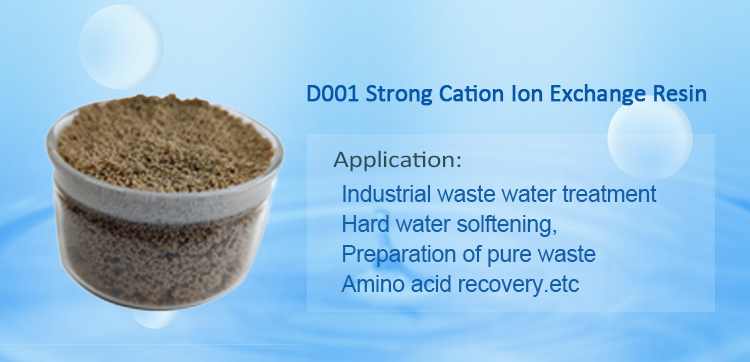
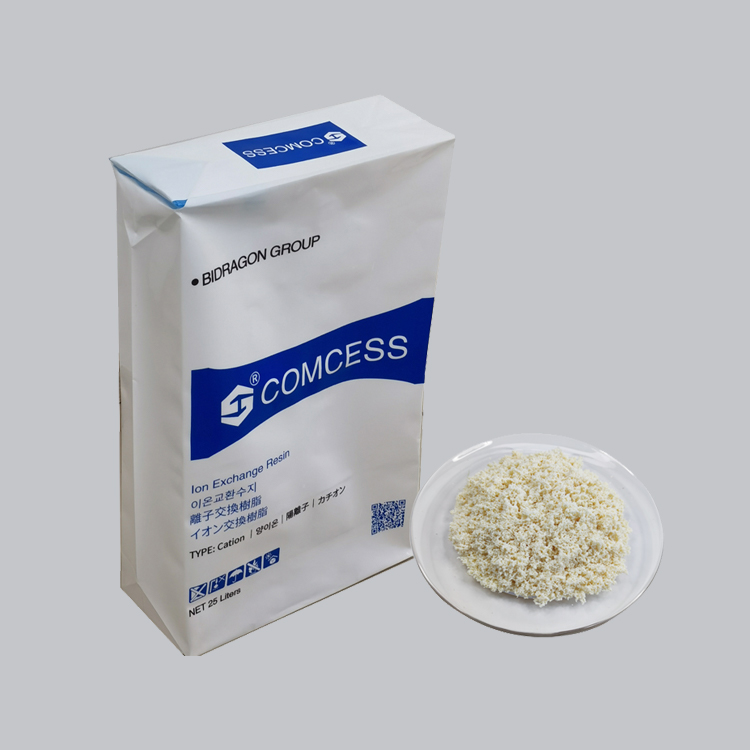
Water softener resin is a key component of a water softening system. It's a type of synthetic material, usually made up of small beads, that removes minerals such as calcium and magnesium from the water. These minerals are what make water 'hard' and can cause a range of problems if left untreated.
The resin beads are charged with sodium ions. When hard water passes through the resin, the beads attract and hold the calcium and magnesium ions, exchanging them for sodium ions. This process is called ion exchange, and it's how water softeners turn hard water into soft water.
Why do you need water softener resin?
Hard water can cause many headaches for homeowners and businesses alike. Some of the common problems caused by hard water include
Lime scale: Over time, hard water can leave mineral deposits on your pipes, appliances and faucets, leading to costly repairs and replacements.
Inefficient soap use: Hard water makes soap less effective, meaning you may need to use more soap or detergent to get the same results.
Clogged pipes: Minerals from hard water can build up inside pipes, leading to blockages and reduced water flow.
Skin and hair problems: Hard water can make your skin feel dry and your hair feel brittle.
By using water softener resin, you can avoid these problems, improve the efficiency of your appliances and enjoy cleaner, softer water.
How does water softener resin work?
When you install a water softener, water flows through a tank filled with resin beads. As the water passes through, the resin beads remove the calcium and magnesium and replace them with sodium. This process is called ion exchange and it happens again and again as the water continues to flow through the resin.
What is water softener resin?
Water softener resin is a key component of a water softening system. It's a type of synthetic material, usually made up of small beads, that removes minerals such as calcium and magnesium from the water. These minerals are what make water 'hard' and can cause a range of problems if left untreated.
The resin beads are charged with sodium ions. When hard water passes through the resin, the beads attract and hold the calcium and magnesium ions, exchanging them for sodium ions. This process is called ion exchange, and it's how water softeners turn hard water into soft water.
Why do you need water softener resin?
Hard water can cause many headaches for homeowners and businesses alike. Some of the common problems caused by hard water include
Lime scale: Over time, hard water can leave mineral deposits on your pipes, appliances and faucets, leading to costly repairs and replacements.
Inefficient soap use: Hard water makes soap less effective, meaning you may need to use more soap or detergent to get the same results.
Clogged pipes: Minerals from hard water can build up inside pipes, leading to blockages and reduced water flow.
Skin and hair problems: Hard water can make your skin feel dry and your hair feel brittle.
By using water softener resin, you can avoid these problems, improve the efficiency of your appliances and enjoy cleaner, softer water.
How does water softener resin work?
When you install a water softener, water flows through a tank filled with resin beads. As the water passes through, the resin beads remove the calcium and magnesium and replace them with sodium. This process is called ion exchange and it happens again and again as the water continues to flow through the resin.